
Shoreline
The Shoreline region stretches across southeastern Connecticut from the Connecticut River east to the Rhode Island border, following Long Island Sound through a mix of beaches, working harbors, tidal marshes, historic villages and coastal cities. Visitors will find some of Connecticut's most important maritime attractions, major state beaches, historic ships and forts, art museums, theaters, scenic villages, nature preserves and an unusually large number of ways to get onto the water.
Towns Included:
Stonington, New London, Chester, Clinton, Deep River, East Lyme, Essex, Groton, Guilford, Killingworth, Lyme, Madison, Old Lyme, Old Saybrook, Waterford, Westbrook

The Main Cities Of This Region Are:
New London is the region's only incorporated city and feels noticeably more urban than the surrounding shoreline towns. It is a compact waterfront city with a long maritime and military history, an active arts scene, historic architecture, restaurants, galleries, murals, theaters and a working harbor, with the Thames River forming much of its western edge. The city has a somewhat gritty, creative and independent character rather than the polished resort atmosphere found in some shoreline communities, and it is one of Connecticut's strongest places for combining history, arts, waterfront activity and nightlife in a walkable downtown.
Stonington is one of Connecticut's most distinctive coastal communities, combining a historic fishing and boating heritage with a polished, scenic New England atmosphere. The town is best known for Stonington Borough, a narrow peninsula lined with historic homes, galleries, restaurants, small shops and a working harbor, while the larger town extends inland through quieter residential and wooded areas. Visitors can expect a slower, more maritime experience here than in nearby New London or Groton, with waterfront walks, historic sites, beaches and easy access to the broader Mystic area.
Major regional draws
Maritime History, Ships & Museums
Mystic Seaport Museum
Mystic Aquarium
Historic Ship Nautilus & Submarine Force Museum
Connecticut River Museum
U.S. Custom House Maritime Museum
Old Lighthouse Museum
Essex Steam Train & Riverboat
Arts, Theater & Cultural Attractions
Florence Griswold Museum
Lyme Art Association
Garde Arts Center
Katharine Hepburn Cultural Arts Center
Ivoryton Playhouse
Lyman Allyn Art Museum
Beaches, Parks & Coastal Landscapes
Hammonasset Beach State Park
Rocky Neck State Park
Bluff Point State Park & Coastal Reserve
Harkness Memorial State Park
Ocean Beach Park
Chatfield Hollow State Park
Haley Farm State Park
Becket Hill State Park Reserve
Forts, Historic Places & Heritage
Fort Griswold Battlefield State Park
Fort Trumbull State Park
Henry Whitfield State Museum
Allis-Bushnell House & Museum
Deacon John Grave House
Chester Village Historic District
Essex Village
Unique Destinations, Shopping & Family Attractions
Mystic Village & Mystic River
Olde Mistick Village
The Book Barn
Clinton Crossing Premium Outlets
R.J. Julia Booksellers
Stonington Borough
Old Saybrook Center
Nature, Wildlife & Water Recreation
Connecticut College Arboretum
Audubon Guilford Salt Meadow Sanctuary
Tuxis Pond Walkway
Thames River Heritage Park Water Taxi
Connecticut River Estuary
Niantic Bay & Niantic Boardwalk
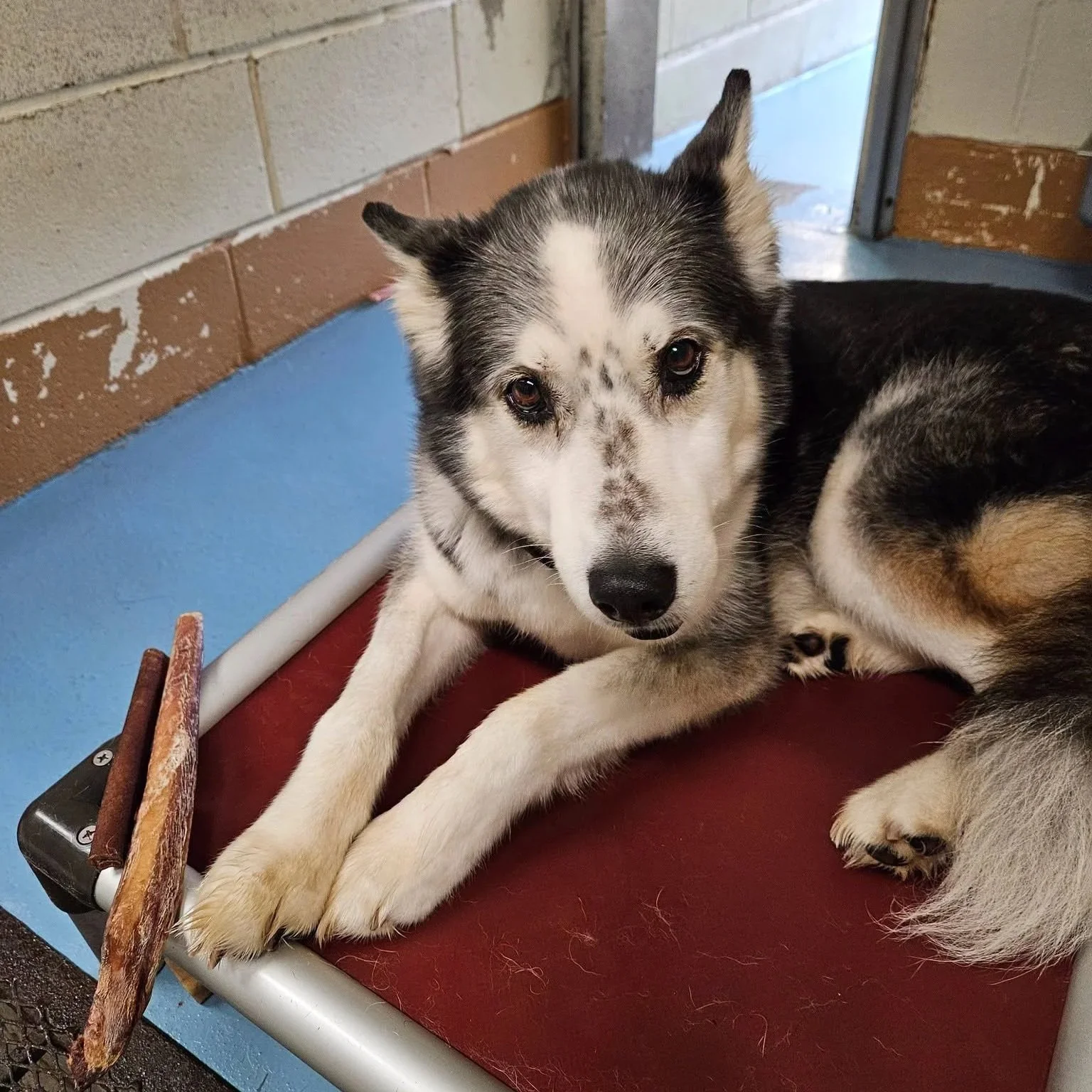
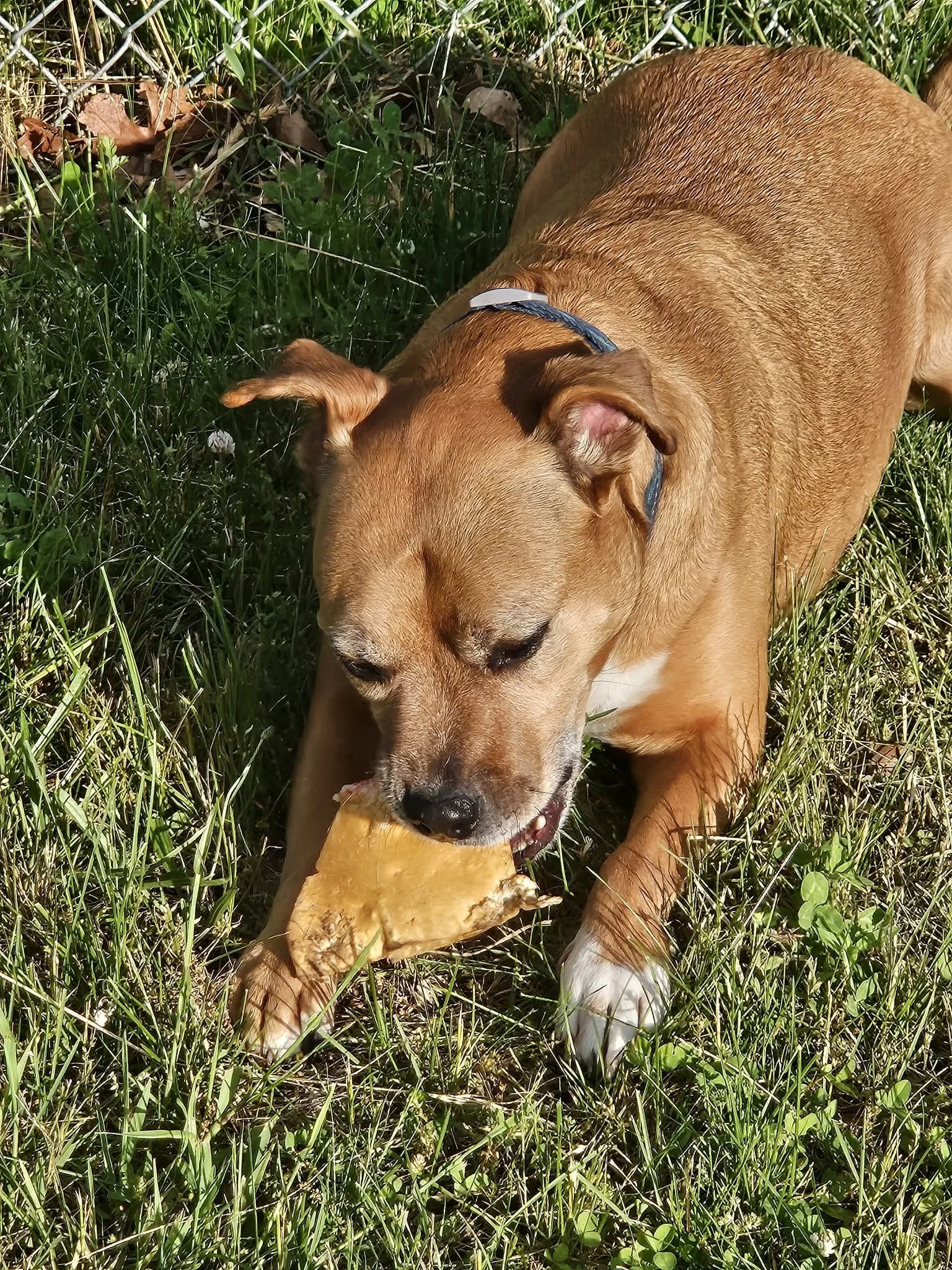
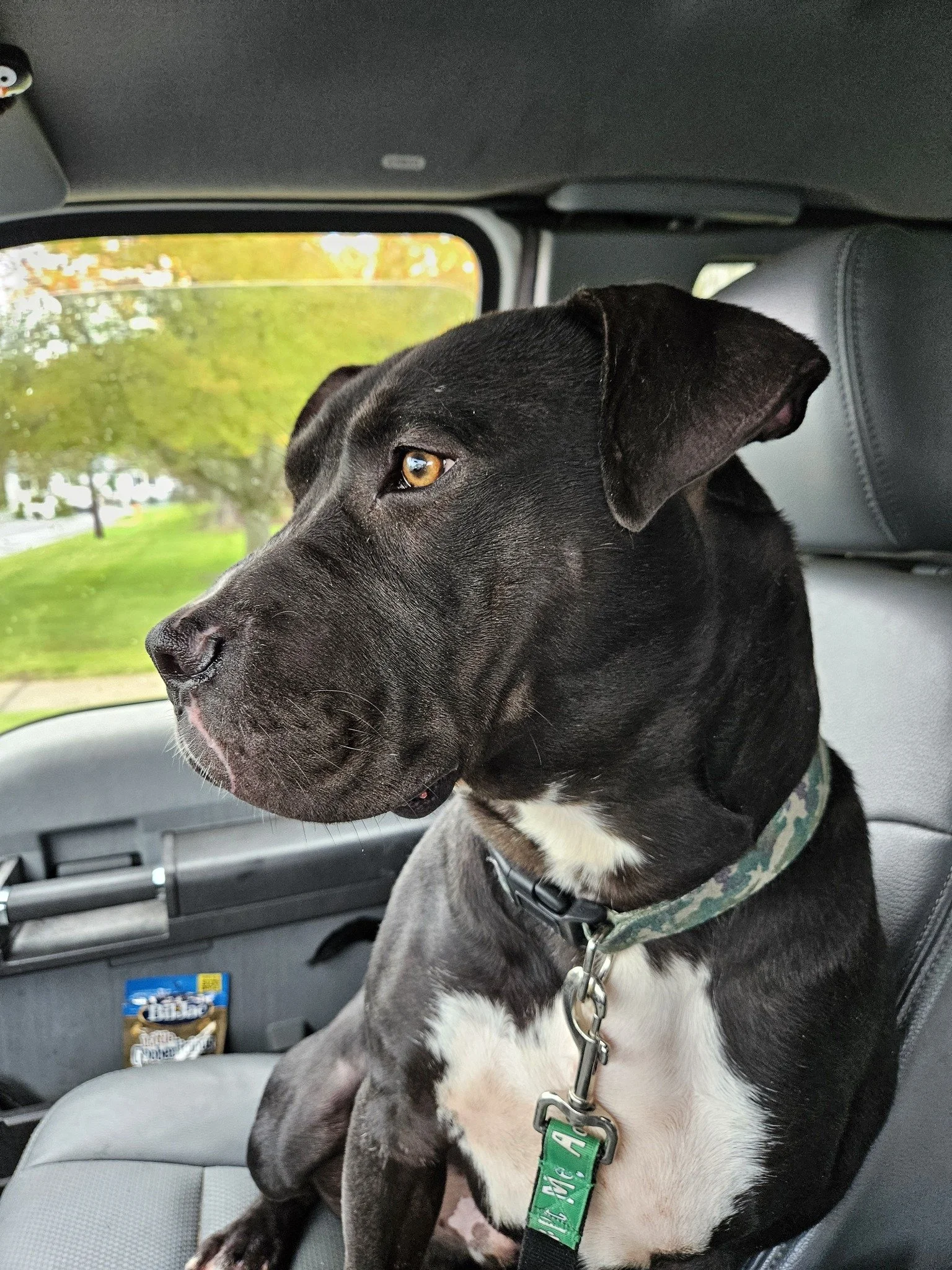
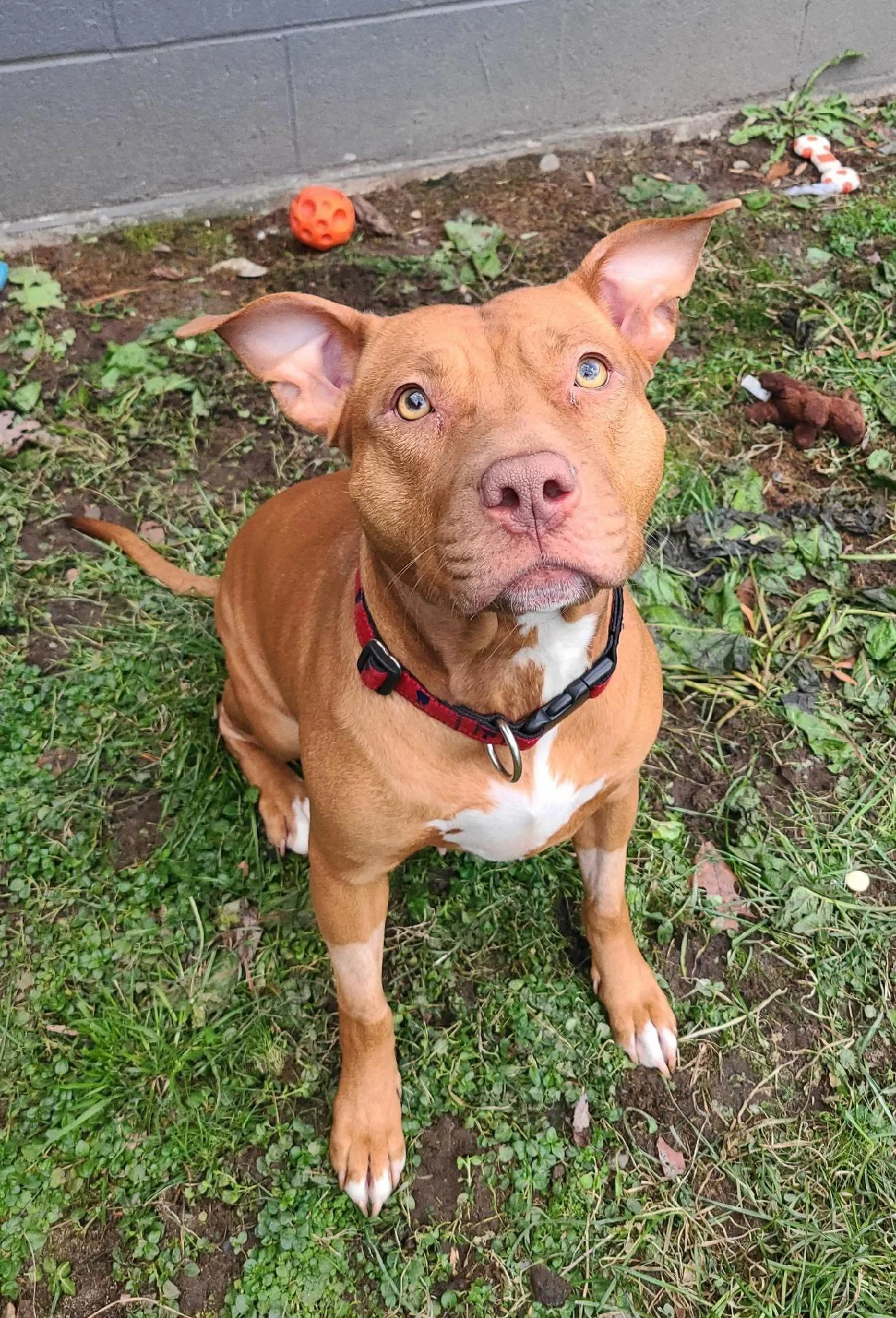
Meet Adoptable CT Shelter Dogs In This Region


The Main Highways In This Region Are:
I-95 is the primary highway through the entire shoreline region, following Long Island Sound from Guilford and Madison through Clinton, Westbrook, Old Saybrook, Old Lyme, East Lyme, Waterford, New London, Groton and Stonington. It is the main east-west transportation corridor connecting the region with New Haven, Providence, New York and Boston. CTDOT currently identifies this entire sequence of shoreline communities as part of the I-95 corridor.
Route 9 is the region's major limited-access inland highway through the lower Connecticut River Valley. It begins at I-95 in Old Saybrook and runs north through Essex, Deep River and Chester, providing the primary high-speed connection between the shoreline and central Connecticut.
I-395 begins at its junction with I-95 in the East Lyme/New London area and provides the major north-south highway connection toward Norwich, eastern Connecticut and Rhode Island. Only its southern end is within this region, but it is important to the area's broader transportation network.
The Main Routes In This Region Are:
U.S. Route 1: Boston Post Road: The region's principal traditional east-west surface road, running through Guilford, Madison, Clinton, Westbrook, Old Saybrook, Old Lyme, East Lyme, Waterford, New London, Groton and Stonington. It frequently provides the most direct access to historic centers, coastal businesses and shoreline communities.
Route 9: The major north-south expressway connecting Old Saybrook, Essex, Deep River and Chester with Middletown and central Connecticut. It is the most important inland highway in the western portion of the region.
Route 2: A major east-west highway serving Stonington and the New London/Groton area, connecting the shoreline with Norwich and Hartford. It is particularly important for access to the eastern end of the region.
Route 12: Runs north-south through Groton and Stonington, providing a major inland alternative to U.S. 1 and connections toward Norwich.
Route 27: Runs through Groton and Stonington, including the Mystic area, and is one of the principal roads serving the region's most heavily visited tourism district.
Route 32: Runs through Waterford and New London, connecting the region with Norwich and points north. It is an important route through the Thames River corridor.
Route 81: Runs through Clinton and Killingworth, providing a major north-south connection between the shoreline and inland communities. Clinton's I-95 interchange makes it particularly important locally.
Route 80: Runs through Killingworth, connecting the town with Madison and inland communities toward the Connecticut River Valley.
Route 82: Crosses the northern part of Lyme, providing an important connection between the lower Connecticut River Valley and eastern Connecticut.
Route 148: Runs through Killingworth, Chester and Lyme, crossing the wooded interior between the shoreline and the Connecticut River Valley.
Route 154: Runs through Old Saybrook and Essex, including the historic Old Saybrook/Essex corridor and connections toward Middletown.
Route 156: Runs through Old Lyme, East Lyme and Waterford, following a scenic inland/coastal corridor that provides access to Rocky Neck and the Niantic area.
Route 161: Connects East Lyme with Waterford and the inland road network and provides access to the I-95 interchange area.
Route 184: Runs through Groton and Stonington, providing an inland connection toward North Stonington and the Rhode Island border.
Route 234: Runs through Groton and Stonington, connecting the Mystic area with the inland portion of Stonington.
Route 27: A major Mystic/Stonington route connecting U.S. 1 with the Mystic waterfront and Stonington area.
To the North of this region is the “Central West”, “Central East”, and “Near Norwich” Region
To the East is Rhode Island
To the South is the Long Island Sound
To the West is “Near New Haven” Region
Meet Jojo with Groton animal control